A garage door that suddenly groans, squeals, bangs, or rattles can make every trip in and out of the house feel like a problem waiting to happen. If you are asking, “Why is my garage door noisy?” the sound may be a routine maintenance issue, but it can also point to worn moving parts, an opener problem, or a door that is no longer operating safely.
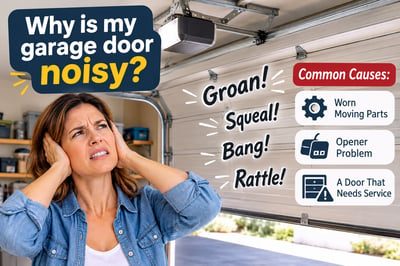

The type of noise matters. A light squeak is different from a sharp pop, and a grinding opener is different from a heavy door slamming against the floor. Paying attention to when the sound occurs can help you decide whether a simple adjustment is reasonable or whether it is time to schedule professional garage door service.
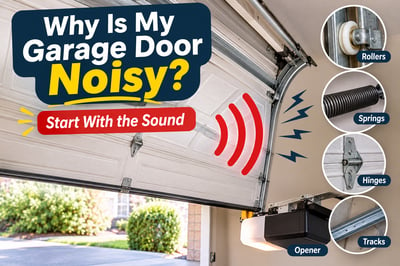
Why Is My Garage Door Noisy? Start With the Sound
Garage doors have many moving components working together: rollers, hinges, tracks, springs, cables, bearings, brackets, and an opener system. Noise often develops as these parts dry out, loosen, wear down, or fall out of alignment.
A door that is noisy only while opening may have a different issue than one that makes noise at the floor or when the opener starts. The door's age, construction, maintenance history, and daily use all play a role. In Central New Jersey, seasonal temperature changes can also affect metal components, lubrication, and door movement.
1. Squeaking or Screeching
Squeaking is commonly caused by dry rollers, hinges, springs, or bearings. Metal-on-metal contact creates friction, and friction creates noise. A garage door lubricant made for overhead door components can often reduce minor squeaks when applied carefully to hinges, rollers, and bearings.
Do not use heavy grease or a general-purpose penetrating spray as a long-term solution. These products can attract dirt and create buildup in the tracks and on moving parts. Garage door tracks should generally be kept clean rather than lubricated.
If lubrication does not improve the sound, the rollers or hinges may be worn. Nylon rollers can become noisy as bearings age, while steel rollers may require more regular maintenance. A technician can identify which parts need replacement instead of treating the symptom repeatedly.
2. Rattling or Vibrating
Rattling often points to loose hardware. Every opening and closing cycle creates vibration, and over time, that vibration can loosen nuts, bolts, hinges, track brackets, and opener mounting hardware.
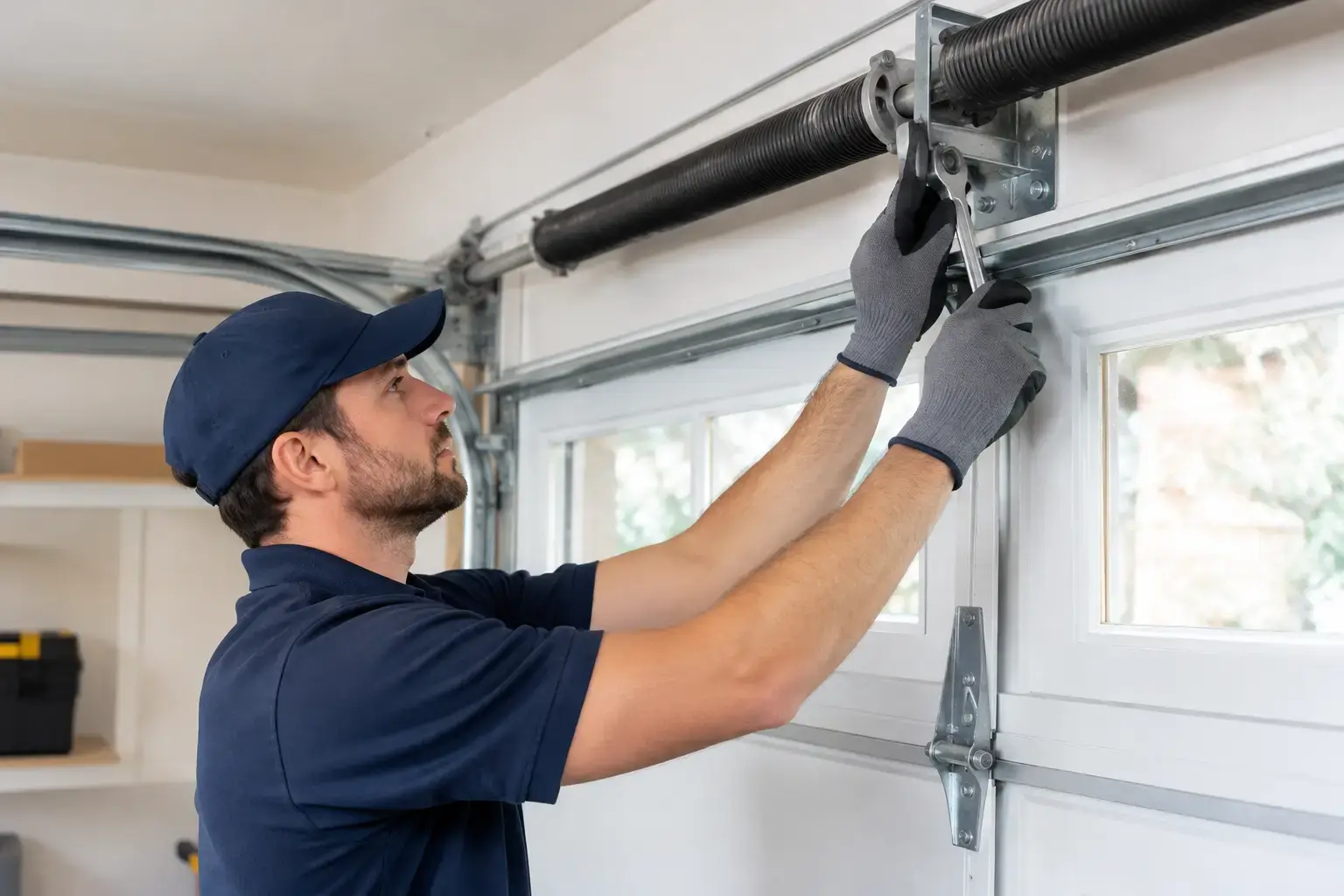
Homeowners can visually check for obviously loose fasteners on accessible hinges and brackets. However, avoid adjusting any hardware connected to the bottom brackets, lift cables, or spring system. Those components are under significant tension and should only be handled by a trained garage door technician.
A rattling door can also result from thin door sections that vibrate during operation. Reinforcement struts may be needed on wider doors, particularly after years of use or during windy conditions. A professional inspection can determine whether the noise is cosmetic or a sign that the door needs structural support.
3. Grinding, Scraping, or Metal-on-Metal Noise
Grinding or scraping deserves prompt attention. This noise may mean rollers are dragging in the tracks, the tracks are bent, or the door is moving out of alignment. You may also notice the door shaking, hesitating, or leaving uneven gaps at the sides.
Tracks can collect debris, but they can also shift after a vehicle impact, a loose bracket, settling around the garage opening, or normal wear. Do not try to force a bent track back into place with a hammer. A small change in track alignment can affect the entire door system.
Grinding from the opener itself may indicate a worn gear, sprocket, chain, belt, or motor-related issue. If the opener runs but the door does not move normally, stop using it until the cause is checked. Continued operation can turn a manageable repair into a larger one.
4. Popping, Banging, or a Loud Thud
A single pop or bang can be alarming, especially if it occurs while the door is opening. It may be related to a worn roller, a sticking hinge, a damaged track, or a spring issue. A loud thud when the door closes can mean the door is out of balance or closing too quickly.
Garage door springs counterbalance the door's weight. When springs weaken or break, the opener has to work harder, and the door may become difficult to lift manually. A broken spring can also produce a loud bang in the garage. If the door feels unusually heavy, sits crooked, or will not open, do not attempt to operate it or replace the spring yourself.
Springs, cables, and bottom brackets are high-tension parts. Professional service is the safe choice for inspection and repair.

Check the Door Before Blaming the Opener
The opener gets blamed for many garage door noises, but it is not always the source. A properly working opener cannot compensate for a door that is binding, poorly balanced, or operating on worn rollers.
With the door fully closed, you can inspect the tracks for leaves, grit, cobwebs, and visible obstructions. Look at the rollers, hinges, and brackets for cracks, rust, missing fasteners, or obvious wear. Also, listen closely to the next operating cycle. Does the noise come from one side? Does it happen at the same point every time? Does the opener motor sound strained?
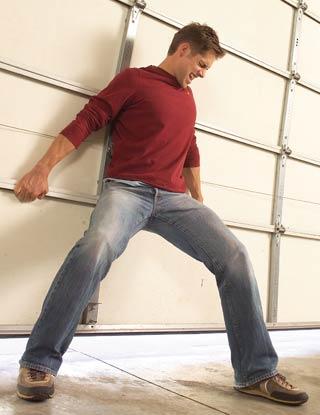
If you are comfortable doing so and the door is closed, you may disengage the opener using the emergency release and carefully lift the door by hand. The door should move smoothly and should not feel excessively heavy. A balanced door should generally stay near the halfway point without rapidly dropping or shooting upward.
If it does not move smoothly, stop there. Do not force the door, adjust springs, or pull on cables. The problem is with the door system and needs professional attention.
When Noisy Garage Doors Need Professional Repair
A little noise is not always an emergency, but certain signs should not be ignored. Schedule service promptly if the door is jerking, binding, moving unevenly, reversing unexpectedly, or making a new loud grinding or banging noise. The same applies if a cable appears loose, a roller has come out of the track, or the door will not open or close completely.
For homeowners, timely repair protects the door, opener, and vehicles stored inside the garage. It also helps preserve security. A door that will not close fully leaves your home and belongings exposed.
Simple Maintenance That Keeps Noise Down
Regular maintenance is the most reliable way to keep a garage door quieter and extend the life of its moving parts. Most homeowners can keep the tracks clear, visually inspect the door, test the opener's safety reversal system, and arrange periodic professional service.
A qualified technician can lubricate appropriate components, tighten hardware, check roller and hinge condition, inspect cables and springs, test balance, align tracks, and verify opener force and safety settings. This is especially useful for doors that see frequent daily use or have not been serviced in several years.
It is also worth considering the age of the system. An older chain-drive opener may operate normally but produce more vibration than a newer belt-drive model. That does not automatically mean replacement is necessary. The right option depends on the door's condition, the location of the garage relative to living spaces, and whether the existing opener is still safe and reliable.
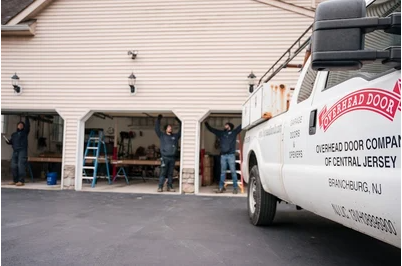
Overhead Door Company of Central Jersey has served local homeowners and businesses since 1972, providing repair, replacement, and preventive maintenance for residential and commercial overhead door systems.
A noisy door is often asking for attention before it becomes a door that will not move at all. Listen to the change, avoid high-tension repairs, and have unusual or worsening sounds inspected while the problem is still small.
Need professional garage door maintenance or repair? Contact us. Our experienced team is ready to help keep your garage door operating safely, smoothly, and reliably. Call 908-722-5785 or email resi@overheaddoorco.com to schedule service.