
A garage door can look great in a showroom and still be the wrong fit once it faces New Jersey weather, daily use, and the way your property actually operates. If you're trying to figure out how to choose garage door material, the best place to start is not color or panel style. It is performance. The right material needs to match how the door is used, how much maintenance you want, and what kind of durability you expect over time.
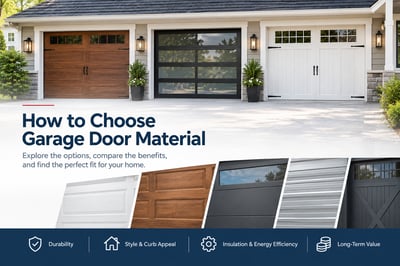

For some properties, appearance leads the conversation. For others, insulation, dent resistance, or corrosion protection matters more. A homeowner replacing an aging front-facing garage door has different priorities than a facility manager outfitting a commercial building with high-cycle overhead doors. Material choice affects lifespan, upkeep, energy efficiency, noise, and long-term value, so it deserves more than a quick side-by-side glance.
How to choose garage door material for your property
The easiest way to narrow the field is to ask a few practical questions. Is the garage attached to the house? Is temperature control a concern? Does the door face the street and affect curb appeal? Is the opening exposed to heavy wind, moisture, or salt air? Will the door be used a few times a day or dozens of times a day?
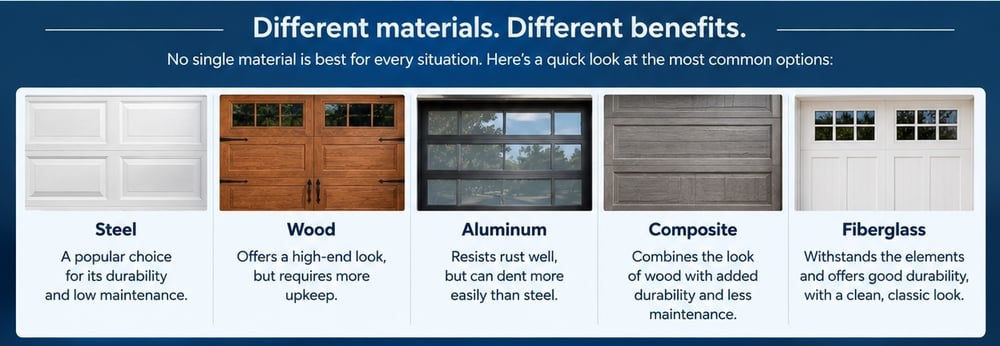
Those answers matter because no garage door material is best in every situation. Steel is popular for good reason, but it is not automatically the right pick for every home or commercial opening. Wood offers a high-end look, but it comes with more upkeep. Aluminum resists rust well, but it dents more easily than steel. Composite and fiberglass options solve some problems and create others.
When customers visit a showroom or request an estimate, the best decisions usually happen when the conversation stays grounded in real use instead of broad assumptions. A door that looks right and works right is the goal.
Steel garage doors: practical, durable, and versatile
Steel is the material most property owners end up considering first, and in many cases, it makes sense. It is durable, widely available, and adaptable to a broad range of styles, from clean contemporary designs to carriage-house looks. For both residential and many commercial applications, steel offers a strong balance of cost, strength, and low routine maintenance.
Another advantage is insulation. Many steel doors are available in insulated construction, which can make a noticeable difference if the garage is attached to the home, used as a workspace, or located under a finished living space. Insulated steel doors also tend to operate more quietly and feel more solid.
That said, steel is not perfect. Thin-gauge steel can dent, especially in busy households where bikes, balls, and bumpers regularly come close to the door. If the finish gets damaged and exposed metal is left untreated, rust can become an issue over time. This is less about avoiding steel and more about choosing the right construction quality for the setting.
For many Central New Jersey homes, steel is the safest all-around choice because it offers strong performance without asking much in return.

Wood garage doors: strong curb appeal, higher maintenance
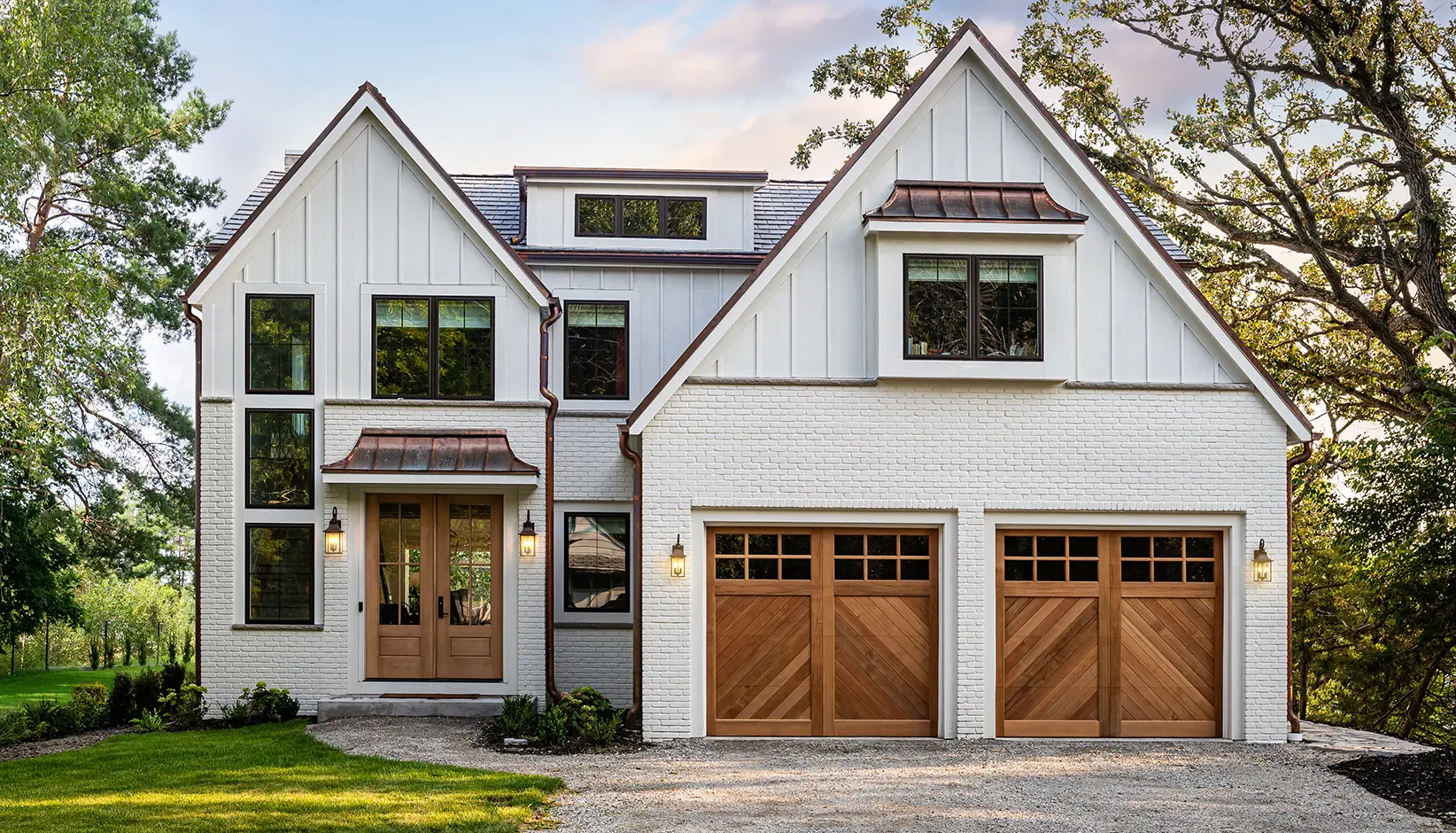
If appearance is the top priority, wood still has a place. Few materials match the warmth and character of a real wood garage door, especially on custom homes, historic properties, or homes where architectural detail matters. Wood can be painted or stained, and it gives homeowners design flexibility that many standard materials cannot fully replicate.
The trade-off is maintenance. Wood expands and contracts with moisture, and it needs regular finishing to stay protected. In a climate that sees humidity, rain, snow, and seasonal temperature swings, that upkeep is not optional. Without it, warping, cracking, rot, or finish failure can shorten the life of the door and affect its operation.
Wood doors are also typically heavier, which may influence hardware requirements and opener selection. That does not make them a bad option. It just means they make the most sense for owners who are fully committed to the look and prepared for the care that comes with it.
Aluminum garage doors: lightweight and rust-resistant
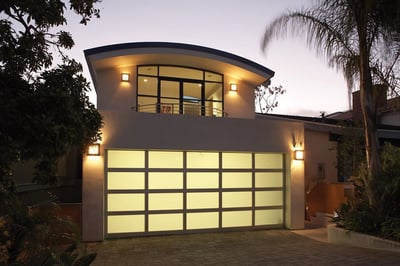
Aluminum is often considered when rust resistance and lighter weight are important. It can be a smart fit for modern residential designs, full-view glass door styles, and certain commercial applications where appearance and corrosion resistance matter.
Because aluminum is lighter than steel, it can reduce strain on some operating components. It also performs well in environments where moisture exposure is a concern. The downside is that it dents more easily, so impact resistance is not its strongest point.
For a low-traffic residential setting where sleek appearance matters, aluminum can work well. For openings that take more abuse, it may not hold up as neatly over time.
Fiberglass and composite options: useful in specific cases
Fiberglass and composite garage doors can be good alternatives when you want a wood-look appearance with less maintenance than real wood. Some composite products handle moisture well and resist rot, which can be appealing in damp conditions.
Still, these materials vary a lot by manufacturer and construction quality. Some hold up well, while others can fade, crack, or show wear differently than expected. Fiberglass can also become brittle in certain conditions, and not every product gives the same insulated performance as a well-built steel door.
This is where product quality matters as much as the material category itself. If you are considering fiberglass or composite, it helps to see the product in person and ask specific questions about finish durability, insulation, warranty coverage, and repairability.


Insulation matters more than many people expect
When people think about how to choose garage door material, they often focus on appearance first and insulation second. In practice, insulation can have a major impact on comfort and performance.
For attached garages, insulated doors can help reduce temperature transfer into adjacent rooms. They may also help with noise control and make the garage more usable through hot summers and cold winters. In commercial settings, insulation can support energy efficiency, protect inventory or workspaces, and improve day-to-day conditions near loading and service areas.
Insulation is not only about the core material. It also depends on door construction, thickness, perimeter sealing, and installation quality. A well-installed, insulated steel door with proper weatherstripping will often outperform a more expensive material chosen mainly for looks.
Maintenance, lifespan, and the real cost of ownership
The purchase price is only part of the decision. A lower-cost door that needs frequent repairs or early replacement may cost more in the long run than a better-built option selected upfront.
Steel generally wins on maintenance simplicity. Wood usually requires the most attention. Aluminum avoids rust concerns but may show dents sooner. Composite products can reduce maintenance in some cases, but long-term performance depends heavily on the specific product line.
If the door gets heavy daily use, especially in a commercial or mixed-use setting, durability should carry more weight than appearance alone. Cycles, hardware quality, track configuration, and operator demands all interact with material choice. That is why a warehouse, service facility, or busy multi-vehicle household should evaluate the full system, not just the panel surface.
Style still matters, especially on street-facing homes
Practical performance comes first, but style should not be treated like an afterthought. A garage door often takes up a large portion of the front exterior, which means material choice affects more than function. It affects the whole look of the property.
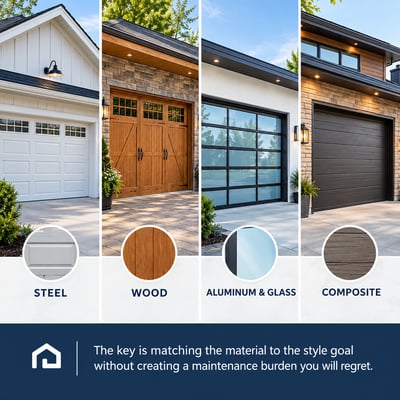
Steel offers the widest range of standard style options, including raised-panel, flush-panel, recessed-panel, and carriage-house designs. Wood gives a premium, natural finish. Aluminum and glass combinations suit more modern architecture. Composite can bridge the gap if you want texture without as much upkeep.
The key is matching the material to the style goal without creating a maintenance burden you will regret. A door should fit the property, not just the product brochure.
When professional guidance saves time and money
A lot of garage door material decisions look simple until the details show up. Opening size, exposure, insulation needs, structural requirements, and usage patterns all change the recommendation. That is especially true for commercial properties, where code requirements, safety considerations, and operating demands can rule out options quickly.
An experienced local provider can help you compare material choices based on the way the door will actually be used, not just on appearance or price alone. For homeowners and businesses in this area, Overhead Door Company of Central Jersey often sees the same issue repeatedly: customers start by shopping for style, then realize the better decision comes from balancing durability, insulation, maintenance, and daily performance.
If you are deciding between materials, try to think five or ten years ahead instead of only to installation day. The right garage door should keep working, keep looking right, and fit the way your property runs without becoming another item on the repair list.
If you’re a homeowner in Central New Jersey and aren’t sure which garage door material is right for your home, let us help you make an informed decision. Our experienced team can guide you through your options, taking into account your home’s style, insulation needs, durability, maintenance requirements, and budget. With over 5 decades of local experience, we’ll help you find a garage door that looks great, performs reliably, and delivers lasting value. Contact us today for expert guidance and personalized recommendations for your garage door replacement!